Key Takeaways
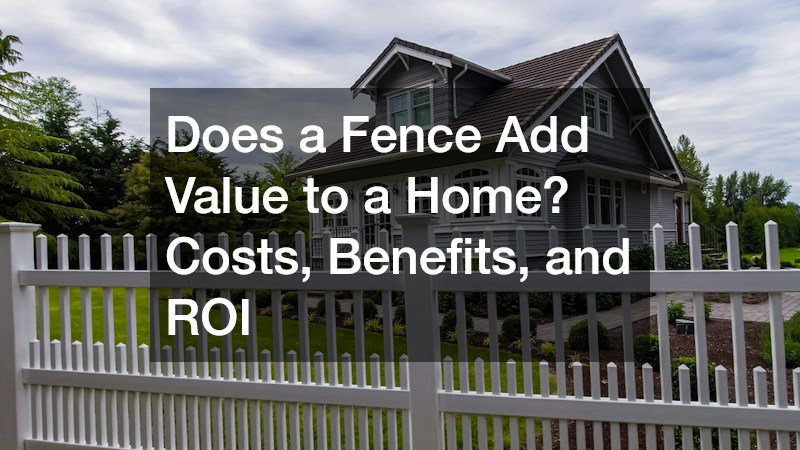
- A fence can improve privacy, security, pet containment, outdoor usability, and the overall appearance of a property.
- The impact on resale value depends on factors such as location, neighborhood expectations, fence quality, material, condition, and buyer preferences.
- Durable, well-installed fencing that complements the home’s architecture and landscaping can create a more polished exterior.
- Installation costs vary based on materials, fence size, height, terrain, gates, labor, and site preparation.
- Homeowners should consider long-term maintenance, repair needs, and expected lifespan when choosing a fence.
- Repairing an existing fence may be more practical than replacing it when the damage is limited, and the structure remains sound.
- A fence should address a genuine need or improve the property’s functionality rather than being installed solely with the expectation of increasing resale price.
A fence can change the way a property looks, feels, and functions. It can define property boundaries, create privacy, improve security, make outdoor spaces more useful, and give a yard a more finished appearance. But homeowners considering a new fence often have another question: does the investment actually increase the value of the property? The answer depends on several factors, including the type of fence, its condition, the neighborhood, installation costs, buyer preferences, and how well it complements the home.
A fence may not always return its full installation cost in a higher selling price, but it can provide practical and visual benefits that make a property more appealing. Understanding these factors can help homeowners decide whether fencing makes sense for their property and budget.
Does a Fence Add Value to a Home?
A fence can contribute to a home’s overall appeal, but its effect on monetary value is not always straightforward. Unlike some improvements that have a more direct relationship with a home’s function, fencing can provide several different benefits at once. A buyer may appreciate privacy, security, a defined yard, or a safe area for children and pets, even if those benefits do not translate directly into an equal increase in the property’s appraised value.
The condition and quality of the fence also matter. A sturdy, attractive, well-maintained fence may make a property feel more complete, while a damaged or poorly installed fence can have the opposite effect. In some neighborhoods, fencing may also be expected because surrounding properties have similar features.
A fence can potentially add value by:
- Improving the property’s appearance and first impression.
- Providing greater privacy from neighboring properties.
- Creating a more secure boundary.
- Making outdoor areas more functional.
- Providing a contained space for children or pets.
- Defining the property’s boundaries more clearly.
- Complementing the architectural style of the house.
Ultimately, homeowners should consider fencing as both a functional improvement and an exterior design feature rather than assuming it will automatically increase resale value by a specific amount.
How Can a Fence Improve a Property?
One of the strongest arguments for installing a fence is that it can improve how a property is used. A yard without a defined boundary may feel exposed or difficult to manage, particularly when neighboring properties are close together. A well-planned fence can create a clearer separation between the home and surrounding properties while making outdoor areas feel more intentional.
Privacy is another major consideration. A solid or semi-private fence can reduce visibility between neighboring yards and make outdoor spaces more comfortable for homeowners who enjoy spending time outside. This can be especially useful for patios, pools, gardens, and other areas where privacy matters.
Security can also be a practical benefit. While a residential fence should not be considered a complete security system, it can establish a physical boundary and make access to parts of the property more controlled.
For homeowners with pets, fencing may be even more valuable. A secure yard can allow dogs to spend time outdoors without requiring constant supervision or the use of a leash.
A fence can also help organize a property’s landscaping. Flower beds, pathways, patios, and lawn areas can appear more defined when they are enclosed by an appropriate boundary.
What Factors Determine Whether a Fence Adds Value?
Not every fence provides the same benefits, and the circumstances surrounding the property can have a major influence on how valuable an installation becomes. A fence that works well for one home may be unnecessary or less desirable for another. Homeowners should therefore evaluate the property, neighborhood, intended use, and likely buyers before choosing a design.
The following factors can influence the fence’s contribution to a home’s overall appeal.
Location and Neighborhood
Local expectations can play an important role. If most homes in an area have attractive, well-maintained fences, an unfenced property may appear less complete. Conversely, if open yards are common, a large privacy fence may not fit the character of the neighborhood.
Homeowners should also check local regulations, homeowners association rules, and property-line requirements before installation.
Fence Quality
A fence made from durable materials and installed correctly is more likely to provide lasting value than a low-quality structure that requires frequent repairs.
Posts should be properly secured, gates should operate smoothly, and materials should be appropriate for the local climate.
Appearance
The fence should complement the home rather than compete with it. Color, height, material, design, and landscaping all influence how the finished installation looks.
Purpose
A fence designed for privacy may be different from one intended primarily for decorative purposes. Homeowners should identify the main goal before selecting a design.
Maintenance Requirements
Some materials require regular painting, staining, sealing, cleaning, or repairs. Others may require less routine attention. The maintenance requirements should be considered alongside the initial installation price.
Which Types of Fences Can Be Attractive to Buyers?
Fence materials have different characteristics, appearances, costs, and maintenance requirements. There is no single material that is appropriate for every property. The right choice depends on the home’s architectural style, climate, budget, desired level of privacy, and intended use of the yard.
Wood Fencing
Wood is a popular choice because it offers a traditional appearance and can work with many home styles. It can also be stained or painted in different colors.
However, wood can require regular maintenance. Moisture, insects, sunlight, and weather exposure can cause deterioration if the fence is not properly maintained.
Vinyl Fencing
Vinyl fencing can provide a clean appearance and generally requires less routine maintenance than traditional wood. It can be useful for homeowners who want a consistent look without frequent staining or painting.
Its appearance and durability can vary by product quality, so homeowners should consider construction and installation carefully.
Metal Fencing
Metal fencing can provide durability and a more open appearance. Certain designs can improve security while maintaining visibility around the property.
Metal can also complement modern, traditional, or landscaped properties depending on the style chosen.
Chain-Link Fencing
Chain-link fencing is often selected for practical reasons, especially where homeowners need a clear boundary for pets or other outdoor uses.
It may not provide the same privacy or decorative appeal as other materials, but it can be a practical solution when function and budget are primary considerations.
Composite and Other Materials
Composite and specialty fencing products can provide additional options for homeowners seeking particular aesthetic or performance characteristics. Their suitability depends on product quality, climate, maintenance expectations, and installation requirements.
Does a Privacy Fence Increase Home Appeal?
Privacy can be a significant benefit, particularly in densely developed neighborhoods where homes and yards are close together. A privacy fence can make a backyard feel more secluded and give homeowners greater control over their outdoor environment.
The design should still be appropriate for the property. A fence that is excessively tall, visually imposing, or inconsistent with neighboring homes may not produce the desired effect.
Landscaping can soften the appearance of a privacy fence. Trees, shrubs, flower beds, and climbing plants can create a more natural transition between the fence and the rest of the yard.
Homeowners should also consider how the fence affects natural light and airflow. A solid barrier may provide privacy but can change the way sunlight reaches parts of the yard.
The goal should be to balance privacy with appearance, usability, and neighborhood compatibility.
How Much Does It Cost to Install a Fence?
Fence installation costs vary significantly because projects differ in size, materials, labor requirements, terrain, gates, site preparation, and local pricing. A small decorative fence may require a relatively modest investment, while a large privacy fence around an entire property can cost considerably more.
Homeowners should obtain multiple quotes and make sure each quote covers comparable work. One contractor may include site preparation, old-fence removal, gates, and finishing work while another may charge separately for these services.
Common cost factors include:
- Material: Wood, vinyl, metal, and other materials have different purchase prices.
- Length: A larger perimeter naturally requires more materials and labor.
- Height: Taller fencing generally requires additional materials and may require stronger structural support.
- Terrain: Sloped or difficult terrain can increase preparation and installation requirements.
- Gates: Walk-through and driveway gates add material and labor costs.
- Old fence removal: Existing structures may need to be dismantled and hauled away.
- Finishing: Painting, staining, sealing, or other treatments can add to the overall cost.
The lowest initial price is not necessarily the lowest long-term cost. Homeowners should consider expected maintenance, repairs, lifespan, and replacement requirements when comparing options.
Can a Fence Improve Curb Appeal?
A fence is one of the first exterior features visitors may notice, which means its appearance can influence the overall impression of a property. A well-designed fence can frame the yard, complement landscaping, and create a stronger visual connection between the house and outdoor areas.
The best results usually come from choosing a style that fits the property. A simple fence may work well with a traditional home, while clean lines and minimalist materials may complement a contemporary design.
Homeowners do not necessarily need to install an expensive fence to improve exterior appearance. Painting an existing fence, repairing damaged sections, replacing broken boards, improving landscaping, or cleaning accumulated dirt can sometimes make a noticeable difference.
Other affordable ways to improve your home’s curb appeal can include trimming overgrown vegetation, refreshing garden beds, improving walkways, cleaning exterior surfaces, and updating visible hardware.
The fence should be viewed as one component of the property’s exterior rather than an isolated feature.
Is a Fence One of the Better Home Improvements for Resale?
Whether a fence should be prioritized depends on the home’s current condition and the needs of potential buyers. If the property already has major maintenance problems, addressing those issues may be more important than adding a new decorative feature. Homeowners should consider which important home improvements will have the greatest practical impact before allocating a large budget to fencing.
Fencing may become more worthwhile when:
- The property has no clear boundary.
- Nearby homes commonly have fences.
- The existing fence is damaged or unattractive.
- The yard would benefit from additional privacy.
- The property is marketed toward buyers with pets or families.
- Outdoor living areas would become more functional with a boundary.
- The existing landscape looks incomplete without fencing.
The broader goal should be to spend money on improvements that solve real problems or provide meaningful benefits rather than adding features simply because they may appear attractive to buyers.
Should You Repair or Replace an Existing Fence?
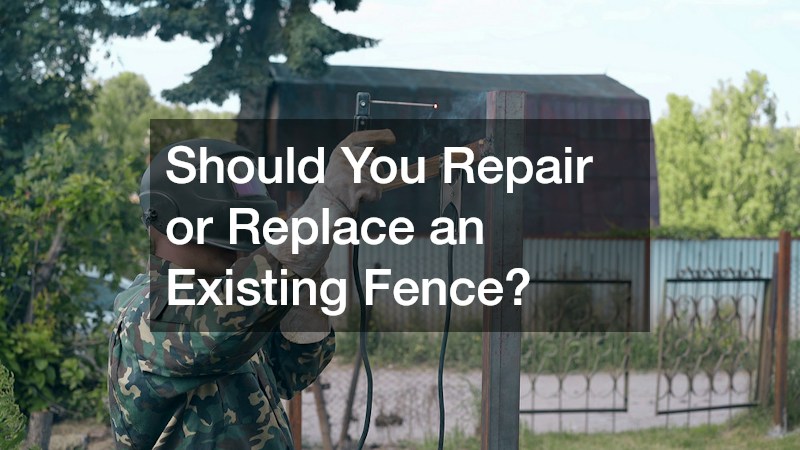
Replacing a fence is not always necessary. In some cases, repairs and maintenance can restore an existing structure at a much lower cost. Homeowners should first inspect posts, boards, panels, gates, hardware, and the foundation of the fence.
Minor problems such as loose boards, damaged hinges, faded finishes, or small areas of rot may be repairable. A fence with widespread structural deterioration, unstable posts, extensive corrosion, or significant damage may be a better candidate for replacement.
Consider the fence’s age and remaining lifespan as well. Spending heavily on repairs may not make sense if the structure is already near the end of its useful life.
A professional contractor can help homeowners determine whether repairs are practical. Getting a repair estimate and a replacement estimate can also make the financial decision easier.
How Can You Make a Fence More Valuable?
A fence does not need to be elaborate to provide meaningful benefits. Good planning, quality installation, and consistent maintenance can have a greater impact than simply choosing the most expensive material.
Start by identifying what the fence needs to accomplish. Privacy, pet containment, security, aesthetics, and property definition may require different approaches.
Next, consider how the fence will interact with the rest of the property. It should work with the landscaping, driveway, walkways, exterior colors, and architectural style of the home.
Good installation is equally important. A fence that leans, has uneven sections, or contains poorly aligned gates can detract from the property’s appearance.
Homeowners should also create a practical maintenance plan for cleaning, inspecting, repairing, and refinishing the fence as needed. Preventive care can help preserve both its appearance and functionality.
What Are the Pros and Cons of Installing a Fence?
Like any property improvement, fencing comes with both advantages and disadvantages. Understanding both sides can help homeowners decide whether the investment fits their circumstances.
Potential Benefits
- Greater privacy: A properly designed fence can make outdoor spaces feel more secluded.
- Improved security: A fence can establish a physical boundary around the property.
- Better pet containment: Enclosed yards can provide a safer outdoor area for pets.
- Enhanced appearance: Attractive fencing can complement landscaping and architecture.
- Greater outdoor usability: A defined yard can make patios, gardens, and recreational areas feel more functional.
- Clearer boundaries: Fencing can help visually define the property.
Potential Drawbacks
- Installation expense: A large fence can require a significant upfront investment.
- Maintenance: Some materials need regular cleaning, painting, staining, or sealing.
- Repairs: Weather and normal wear can damage fencing over time.
- Reduced openness: Certain designs may make a small yard feel more enclosed.
- Regulatory restrictions: Local rules or neighborhood associations may limit height, placement, or materials.
- Potential buyer preferences: Not every buyer wants the same type of fencing.
The best decision depends on how these benefits and drawbacks apply to the individual property.
Is a Fence Worth the Investment?
A fence can be worthwhile when it provides benefits that homeowners or potential buyers genuinely value. Privacy, security, pet containment, outdoor functionality, and improved appearance can all make a property more useful and attractive.
However, homeowners should be careful about treating fencing as a guaranteed financial investment. The cost of construction does not necessarily translate dollar-for-dollar into a higher sale price. Instead, the fence can contribute to the property’s overall appeal and functionality, which may help it compete with similar homes.
Before starting a project, homeowners should consider the property’s existing condition, local neighborhood expectations, intended use of the yard, available budget, maintenance requirements, and expected lifespan of the chosen material.
A thoughtful installation that solves a genuine need is more likely to provide lasting value than a fence installed solely with the expectation of increasing resale price.
Final Thoughts
A fence can add meaningful value to a home by improving privacy, security, outdoor functionality, appearance, and property definition. However, the financial return depends on factors such as the property’s location, neighborhood expectations, fence quality, material, maintenance requirements, and the preferences of potential buyers.
Homeowners should therefore look beyond resale value when deciding whether to install or replace a fence. A well-designed and properly maintained fence can make everyday outdoor spaces more useful while giving the property a more finished appearance. Before investing, compare installation costs, consider long-term maintenance, check local requirements, and determine what the property actually needs. When fencing addresses a practical purpose and complements the home, it can be a worthwhile addition even when its exact effect on resale value cannot be guaranteed.