Owning a home is a long-term commitment that requires thoughtful planning, routine attention, and informed decision-making. While many homeowners react to problems only after something breaks, the most successful property owners take a proactive approach to maintenance and repairs. A structured home repair plan helps protect your investment, prevents small issues from escalating, and supports a safe, comfortable living environment over time. From mechanical systems to structural elements, every part of a home ages differently and faces unique stresses based on usage, climate, and construction quality.
Long-term property care is not about fixing everything at once. Instead, it is about understanding which systems require regular monitoring, which repairs should be prioritized, and how different components of the home work together. Planning ahead also reduces stress by minimizing unexpected disruptions and helping homeowners make informed choices when repairs are needed. This guide breaks down key areas of home maintenance, offering practical insight into how each system contributes to overall property health. By approaching repairs strategically, homeowners can extend the life of their home, preserve functionality, and maintain consistent comfort year after year.
Planning for Water Supply Reliability
A dependable water supply is essential for daily living, yet many homeowners overlook this system until a problem occurs. Homes that rely on private wells must be especially mindful of water delivery and pressure. Scheduling routine inspections and maintenance through well pump services helps ensure consistent water flow and prevents sudden interruptions. Warning signs such as fluctuating pressure, unusual noises, or inconsistent water supply often indicate developing issues that should be addressed promptly.
Long-term planning includes understanding the age of your equipment, keeping records of past service, and monitoring changes in performance. Preventive attention reduces the likelihood of emergency failures and protects related systems such as plumbing fixtures and appliances. Because water access affects nearly every aspect of household function, maintaining this system should be a top priority in any home repair plan. Reliable water delivery supports hygiene, comfort, and overall household efficiency, making proactive care an important part of long-term property management.
Planning for long-term home care also benefits from keeping clear documentation related to inspections, maintenance, and past repairs. Written records help homeowners identify patterns, anticipate future needs, and communicate more effectively with service professionals. When systems are monitored over time, changes in performance are easier to spot, allowing small issues to be addressed before they escalate. Organized records also support informed decision-making when prioritizing repairs across multiple systems. This level of organization is especially helpful for water-related infrastructure, where gradual performance changes can otherwise go unnoticed until service is interrupted.
Preparing for the Aftermath of Unexpected Disasters

Some home repairs arise suddenly due to events beyond a homeowner’s control. Fires, even small ones, can leave behind damage that is not always visible at first glance. Smoke residue, weakened materials, and lingering odors often require professional attention through fire damage restoration to fully address safety and structural concerns. Planning ahead includes understanding how your home would be assessed and restored following such an event.
Restoration efforts often involve multiple stages, including cleaning, structural evaluation, and material replacement. Having a plan in place helps homeowners respond calmly and efficiently during stressful situations. It also ensures that damage is addressed thoroughly rather than cosmetically. Incorporating disaster recovery considerations into your long-term repair strategy helps safeguard both the structure and the health of occupants. Preparation and awareness make it easier to recover and restore normal living conditions after unexpected events.
Another important aspect of repair planning is understanding how different systems influence one another during recovery efforts. For example, damage in one area may expose weaknesses in adjacent materials or mechanical systems. Viewing repairs as interconnected rather than isolated tasks helps homeowners create a more efficient and logical recovery strategy that supports overall property stability. This broader perspective reduces the likelihood of overlooking secondary issues that could resurface later.
Protecting the Home From Weather Exposure
The roof is one of the most critical protective elements of any home, shielding it from rain, wind, and temperature extremes. Over time, materials can deteriorate due to constant exposure, making regular inspections essential. Addressing issues early through residential roof repair helps prevent water intrusion that can damage insulation, ceilings, and interior walls. Small problems left unattended often lead to more extensive repairs later.
Long-term planning includes seasonal inspections, attention to flashing and drainage, and awareness of how weather patterns affect roofing materials. Maintaining the roof not only protects the interior of the home but also supports energy efficiency and structural integrity. By prioritizing roof care as part of a broader maintenance plan, homeowners reduce the risk of unexpected leaks and preserve the overall condition of their property.
Seasonal awareness plays a critical role in effective home repair planning. Weather conditions influence which systems are under the most stress at different times of year, and exposure patterns often shift with changing seasons. Aligning inspections and maintenance with these cycles helps homeowners reduce unexpected disruptions and extend material life. When protective systems are evaluated proactively, minor wear can be corrected before it develops into structural damage.
Maintaining Safe and Functional Chimneys
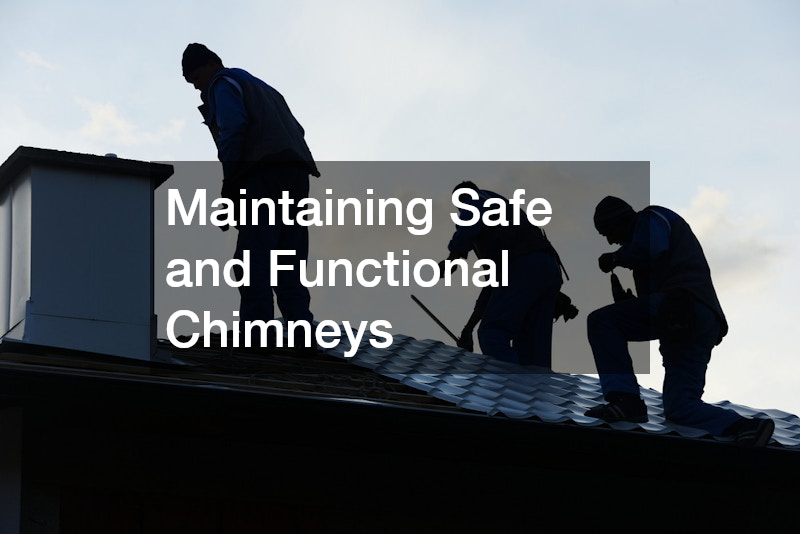
Chimneys play a vital role in venting smoke and gases safely out of the home, particularly for properties with fireplaces or certain heating systems. Over time, exposure to heat, moisture, and debris can compromise chimney structures. Scheduling evaluations with experienced chimney repair companies helps identify cracks, blockages, or deteriorating materials before they pose safety risks.
Long-term care includes routine inspections, cleaning, and timely repairs to maintain proper airflow and structural stability. Chimney issues can affect indoor air quality and increase fire hazards if left unaddressed. Including chimney maintenance in your home repair plan ensures that this often-overlooked system continues to function safely and efficiently. Proper care supports both comfort and peace of mind during colder months.
Proactive communication with service providers further strengthens long-term planning efforts. Asking questions, understanding recommended timelines, and clarifying maintenance expectations help homeowners stay engaged in the care of their property. When homeowners feel informed, they are better equipped to recognize early warning signs and take action promptly. This collaborative approach improves outcomes and supports smoother repair experiences across safety-related systems.
Supporting Consistent Indoor Warmth
Heating systems are essential for maintaining comfort during colder seasons, and their reliability depends on regular attention. Components wear down over time, and minor issues can reduce efficiency or cause uneven temperatures throughout the home. Scheduling routine Heating repair helps ensure systems operate smoothly and respond effectively when demand increases.
Long-term planning involves monitoring system performance, replacing filters as needed, and addressing unusual sounds or temperature fluctuations promptly. A well-maintained heating system not only provides comfort but also supports indoor air quality and energy efficiency. By incorporating heating care into your overall maintenance strategy, homeowners can avoid unexpected breakdowns and maintain a comfortable living environment throughout the winter.
Keeping Cooling Systems Reliable
Air conditioning systems work hard during warmer months, and consistent performance depends on proactive care. Reduced airflow, inconsistent cooling, or rising humidity levels often signal the need for professional ac repair. Addressing these issues early prevents additional strain on components and helps maintain indoor comfort.
Long-term planning includes seasonal checkups, cleaning, and performance monitoring. Cooling systems that receive regular attention tend to operate more efficiently and last longer. Because indoor comfort during hot weather directly affects quality of life, prioritizing cooling system maintenance is a key part of responsible home care. Planning ahead reduces the likelihood of inconvenient failures during peak usage periods.
Improving Energy Efficiency Through Upgrades
Windows play a significant role in regulating indoor temperature and natural light. Older or damaged units can allow drafts and reduce energy efficiency. Installing a properly fitted replacement window helps improve insulation and supports consistent indoor comfort throughout the year.
Long-term planning includes evaluating window condition, frame integrity, and seal performance. Upgraded windows reduce strain on heating and cooling systems and contribute to a more stable indoor environment. Including window improvements in your repair plan supports both comfort and efficiency while enhancing the overall functionality of the home.
Interior and exterior aesthetics also benefit from long-term planning when upgrades are performed strategically. While functional improvements often take priority, maintaining visual consistency supports a sense of comfort and continuity throughout the home. Addressing minor cosmetic concerns alongside functional upgrades prevents uneven wear and preserves a cohesive appearance. Thoughtful planning allows homeowners to balance performance improvements with overall presentation.
Preventing Water-Related Damage Indoors
Plumbing systems are essential yet often hidden behind walls and floors. Leaks, corrosion, or pressure issues can develop gradually and cause significant damage if unnoticed. Working with a reliable local plumbing service allows homeowners to address concerns early and maintain proper water flow throughout the property.
Long-term care includes routine inspections, awareness of water pressure changes, and prompt attention to visible leaks or slow drains. Maintaining plumbing systems protects fixtures, flooring, and structural components from moisture-related damage. Including plumbing maintenance in your repair plan helps prevent disruptions and supports the long-term health of the home.
Preserving Outdoor Features and Amenities

Outdoor amenities such as pools add enjoyment and value to a property but require regular attention to remain safe and functional. Cracks, leaks, or equipment malfunctions can worsen if ignored. Scheduling routine maintenance with a swimming pool repair service helps ensure proper operation and extends the life of pool components.
Long-term planning includes monitoring structural integrity, maintaining circulation systems, and addressing surface wear promptly. Proper pool care supports safety and reduces the likelihood of costly repairs later. Including outdoor features in your overall maintenance strategy ensures they remain assets rather than liabilities.
Outdoor areas should always be considered part of a broader property care plan. Walkways, patios, and recreational features experience continuous exposure to environmental stress and frequent use. Regular observation and maintenance help ensure these spaces remain safe and enjoyable. Including outdoor elements in routine inspections prevents gradual deterioration that could affect usability and overall property appeal.
Maintaining Interior Surfaces and Finishes
Interior walls contribute to both the appearance and structural protection of a home. Over time, settling, moisture, or minor impacts can cause cracks or damage. Timely drywall repair helps maintain smooth surfaces and prevents small issues from spreading.
Long-term care includes addressing damage promptly and monitoring areas prone to moisture or stress. Maintaining interior finishes supports a clean, finished look and protects underlying structures. Including interior maintenance in your repair plan ensures that living spaces remain comfortable, functional, and visually appealing.
Long-term property care also supports household safety beyond immediate repair needs. Systems and surfaces that are regularly inspected and maintained are less likely to fail unexpectedly, reducing the risk of hazardous situations. Planning ahead allows homeowners to address concerns methodically rather than reactively, which often leads to better outcomes and fewer disruptions within daily living spaces.
Long-term property care is built on thoughtful planning, regular monitoring, and timely action. By understanding how each system contributes to the overall health of the home, homeowners can make informed decisions that prevent small problems from becoming major disruptions. A proactive repair strategy reduces stress, supports safety, and preserves comfort throughout the year.
A successful home repair strategy continues to evolve as properties age and household needs change. Periodic reassessment helps ensure priorities remain aligned with current conditions rather than past assumptions. Flexibility, combined with consistent attention, allows homeowners to adapt without compromising stability. By expanding repair planning beyond immediate concerns, homeowners create a resilient framework that supports long-term property performance and peace of mind.
When repairs are approached methodically, homeowners gain greater control over maintenance schedules and outcomes. Each system, from water supply to interior finishes, plays a role in maintaining a stable living environment. By prioritizing care and planning ahead, homeowners protect their investment and ensure their property remains functional, comfortable, and resilient for years to come.