1. What are the signs that I need roof repair?
A. Identifying Leaks and Water Damage
One of the most telling signs that your roof may require repair is the presence of leaks and water damage. Leaks can manifest in various ways, such as water stains on ceilings or walls, and even drips during heavy rainfalls. Addressing these issues early is crucial to prevent further damage to the internal structure of your home.
Prolonged water exposure can lead to mold growth and rot, compromising both walls and the roof itself. It’s important to inspect your attic regularly for signs of moisture or mold, which are clear indicators of leaking and water damage.
When you identify leaks, the next step is to determine their source. Roof leaks often originate from flashing that has become loose or improperly sealed, around chimneys, skylights, and vent pipes. Additionally, if your roof has damaged or missing shingles, this can also create pathways for water intrusion. Aging roofs tend to develop these problems more frequently, especially if they haven’t been maintained properly or faced severe weather conditions. Repairing these areas promptly can save you from more extensive damage and costlier repairs in the future.
Ignoring leaks leads to numerous long-term problems beyond structural damage, including reduced energy efficiency. Heat can escape through damp areas, which increases your heating bills during colder months. Water damage also decreases the lifespan of your insulation, making it less effective. This creates a cycle of energy loss, driving up your monthly expenses. By addressing leaks and water damage promptly, you can maintain the structural integrity and efficiency of your home.
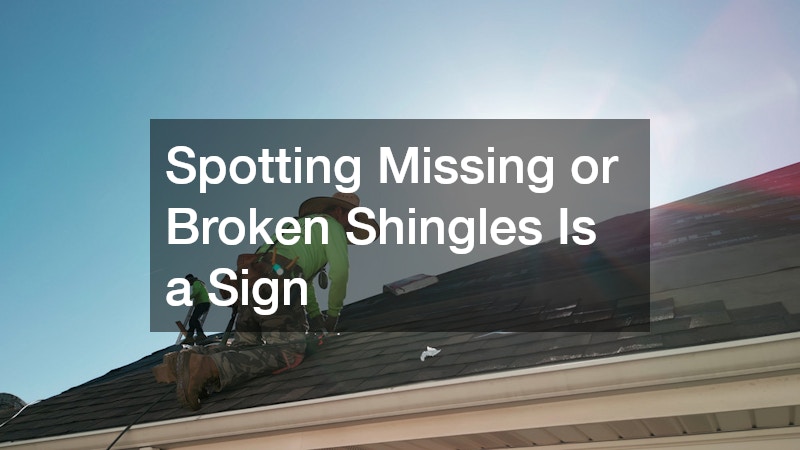
B. Spotting Missing or Broken Shingles
Observing your roof for missing or broken shingles is one of the more straightforward methods of determining whether repair is necessary. Shingles serve as your roof’s first line of defense against weather elements. Missing or broken shingles leave your home vulnerable to water seepage and structural damage. It’s essential to conduct a thorough visual inspection of the roof after significant storms to check for shingle issues. Regularly inspecting your roof for shingle damage helps avoid problems like leaks, which can escalate into more severe issues if left unaddressed.
Simple wear and tear from weather exposure over time are common causes of shingle damage. UV rays, rain, ice, and wind all contribute to the deterioration of shingle material, especially asphalt ones. When patches of shingles are visibly missing, it’s a sign that repairs should be undertaken soon. In some cases, replacing a few shingles can be a quick fix. However, if a substantial portion of your roof displays damage, a replacement may be more cost-effective in the long run.
It is worth noting that some shingle types, such as architectural shingles, may offer a longer lifespan and better durability. Investing in high-quality shingles can reduce future repair frequency and costs. Evaluating the condition of your roof’s shingles can also provide insights into the overall health of your roofing system. By addressing missing or broken shingles proactively, homeowners can adequately shield their homes from potential water damage and maintain comfort year-round.
C. Recognizing Sagging or Structural Concerns
Sagging areas on your roof are serious indicators that structural repair is necessary. A sagging roof may suggest underlying issues with the framework of your home’s roofing system. This lack of structural integrity often develops from years of accumulated damage, possibly exacerbated by the heavyweight of snow, waterlogged materials, or simple age. If left unresolved, a sagging roof can lead to leaks, pose safety hazards, and even result in a complete roof collapse in extreme cases. Hence, spotting these structural concerns early helps prevent further complications.
In addressing sagging issues, the causes of deformation should be thoroughly investigated. Often, it involves examining the supports, rafters, and other foundational elements of your roof. In some instances, reinforcements can be applied, but if damage is severe, a complete replacement might be warranted to ensure safety and longevity. Consulting a professional roofing contractor for a detailed assessment can provide clarity on the best approach. They can evaluate whether localized repairs will suffice or if the larger system is compromised and necessitates an overhaul.
Consider the history and age of the roof when deciding on repairs versus replacement. Many roofs begin exhibiting structural concerns towards the end of their useful life, particularly those facing constant environmental pressures. In such situations, replacing the roof might offer a cleaner and potentially more economical solution over time. A roof replacement not only addresses sagging but can upgrade your home’s materials to newer, more durable options that resist future sagging and provide enhanced structural strength.
D. Understanding the Impact of Weather Damage
Weather elements are a principal cause of damage that prompts roof repair or even a more drastic replacement. Intense storms, strong winds, heavy downpours, and hail can severely stress a roof, leading to aesthetic damage and structural issues. Even small-scale damages like cracked shingles and missing granules can compound over time, resulting in more significant issues. It is crucial to routinely inspect your roof after severe weather occurs to evaluate any potential damage. Addressing weather-related damage quickly ensures protective measures can be taken before new storms continue the cycle of deterioration.
Extreme weather conditions don’t only impact roofing materials; they can also influence the components supporting your roof’s effectiveness. For example, ice dams formed during winter can lead to water backup and leaks. High wind speeds might dislodge flashing around roof edges and chimneys, again enabling water ingress. Proactive management includes taking preventive actions like reinforcing vulnerable areas or installing supportive features designed for your region’s specific weather patterns. Investing in high-quality materials suited for your climate can further minimize the effects of adverse weather conditions on your roof.
With the prevalence of climate change, storms are increasing in both frequency and severity, thus escalating the need for stronger, more resilient roofing systems. Upgrading to more durable roofing materials like metal or impact-resistant shingles can offset potential damage incurred during severe weather events. These materials offer performance advantages that traditional shingles might lack under harsh conditions. For homeowners in regions prone to extreme weather, investing in these durable roofing materials can alleviate the frequency and consequence of necessary repairs, ultimately extending your roof’s lifespan.
E. Evaluating Roof Ventilation Issues
Problems with roof ventilation are another important consideration for deciding whether repair is necessary. Poor ventilation can create thermal imbalances in your home, leading to excess heat accumulation in attics. This excess heat can cause shingles to age prematurely and warp, significantly reducing their effectiveness and functional lifespan. Moreover, moisture trapped in attics due to inadequate airflow can foster conditions conducive to mold growth, damaging both the structural components of your home and affecting indoor air quality. By understanding the signs of poor roof ventilation, decisive action can be taken to improve air circulation and prevent mounting issues.
Ensuring proper ventilation involves balancing intake and exhaust vents to promote continuous air movement. Appropriate ventilation allows for excess heat and moisture to escape, preserving the integrity of roofing materials and the underlying structure. Adding vents or upgrading the current system may be necessary for homes suffering from ventilation deficits. However, if roof vents have been damaged, repairs to mend faulty components are likely needed to restore function. A roofing professional can accurately assess your system’s needs and recommend updates based on your home’s architecture and local climate requirements.
A well-ventilated roof also contributes to energy efficiency by maintaining more stable temperatures within the home, reducing the load on heating and cooling systems. Proper roof ventilation enhances both comfort and reduces utility expenses as a result. As energy costs continue to rise, optimizing your ventilation to capitalize on these economic benefits becomes increasingly important. Beyond simply adding comfort and efficiency, adequate ventilation prolongs the life of your roof and associated components, making it a critical element in any roofing decision-making process.
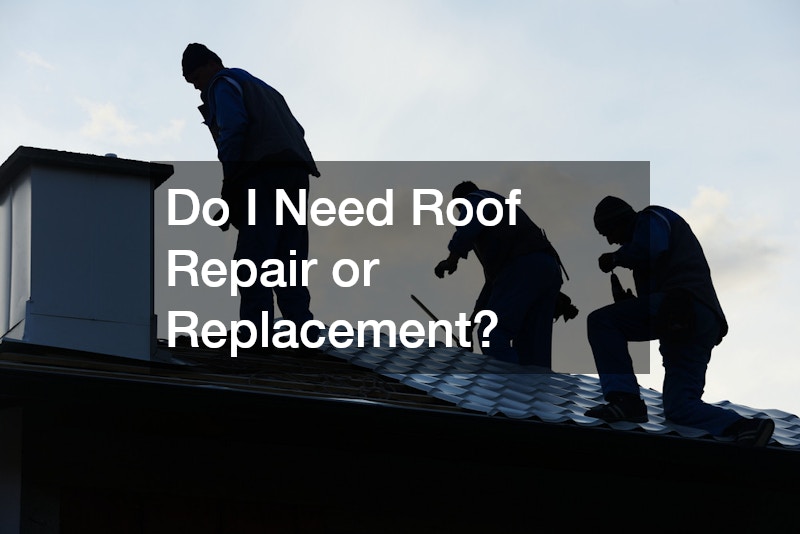
2. How do I decide between roof repair and replacement?
A. Considering the Age of Your Roof
The age of your roof is a significant factor when debating between repair and replacement. Generally, asphalt shingle roofs, which are among the most common, tend to last between 20-25 years. Once a roof reaches this age range, its reliability typically declines, no matter how many repairs have been carried out. Even if the roof isn’t currently displaying any significant problems, a replacement might be more efficient than frequent upkeep. Evaluating the age and condition of your roof can help inform the decision regarding appropriateness for further repairs versus opting for a complete replacement.
Older roofs are often composed of materials that no longer meet contemporary efficiency and environmental standards. As technology and materials in roofing advance, newer systems offer increased resistance to the elements and better energy efficiency. These enhancements can justify replacing older roofs, especially if you are experiencing consistent issues. Additionally, old roofing could fail to provide the modern aesthetic appeal or property value you desire. Investing in a new roof allows you to capitalize on these improvements, boosting both function and property worth.
However, many well-constructed roofs can surpass their expected life expectancy when maintained properly. Regular maintenance and timely repairs can extend a roof’s life much beyond typical age-related thresholds. In consulting with an experienced contractor, homeowners can gain insights into the benefits and drawbacks of continuing repairs versus outright replacement based on their roof’s unique features and wear patterns. Ultimately, balancing longevity, cost-effectiveness, and increased performance along with personal preferences should shape your decision.
B. Assessing the Extent of Damage
Assessing the extent of damage is critical in determining whether repairs are viable or a replacement is required. Minor damages, such as single broken shingles, small leaks, or localized flashing problems, may easily be remedied without needing a full roof overhaul. Local repairs allow you to manage costs effectively while addressing immediate concerns. However, extensive damage, like large-scale leaks, numerous missing shingles, or structural warping, typically necessitates more comprehensive solutions. Understanding the scope of the damage provides clarity on whether continued patchwork is prudent or if a blanket replacement is the better option.
Sometimes the damage to a roof isn’t immediately apparent. For instance, weakened supports or deteriorated underlayment may go unnoticed until symptoms like sagging or interior leaks surface. These underlying issues require more than just surface-level fixes, often indicating a broader deterioration that routine repairs won’t address effectively. When a roof presents multiple problematic areas or shows signs of foundational disrepair, replacement might curtail repetitive repair costs down the line. Employing a professional inspection can reveal hidden impairments that can inform your repair or replacement decision process.
While a myriad of external signs can indicate roof damage, it’s critical to explore all dimensions of your roofing system. Avoid minimizing the significance of damage simply because it appears superficial or gradual. Particularly in aging roofs, the accumulation of seemingly minor issues can coalesce into a larger problem, making replacement the logical, albeit challenging, decision. By thoroughly assessing all damage and consulting expert opinions, homeowners can make informed decisions about maintaining their roofing investment wisely.
C. Determining the Cost-Effectiveness
Cost-effectiveness is a dominating consideration when choosing between repairing and replacing a roof. In many cases, the decision should weigh the immediate repair cost against the potential for recurring expenses. Extensive repairs might appear less costly at first glance, but they can accumulate over time, surpassing the cost of a replacement. Calculating anticipated costs over a period, factoring in ongoing repairs, maintenance, and improved efficiency, can help bring clarity to the financial aspects influencing this decision. Investing in a replacement can lead to lower recurring expenses and increased home value.
The initial costs associated with roof replacement can be daunting, especially if financing options are necessary. However, newer roofing systems often result in enhanced energy efficiency, effectively lowering monthly utility expenses. This reduction in operational costs can offset some initial investment for a new roof. Furthermore, warranty and insurance implications should be examined when considering monetary efficiency. An updated roof may unlock lower insurance premiums due to increased resilience and security attributes, adding an extra layer of financial viability.
It’s essential to factor in the longevity of repairs and replacements when appraising cost-effectiveness. Frequent repairs without guarantee of extended life span can become a continuous financial burden. In contrast, a single investment in roof replacement can provide relief from consistent repair costs altogether. Homeowners should consider both short-term and long-term financial implications alongside existing incentives and support programs that might alleviate upfront replacement costs. Conducting thorough cost assessments ensures balanced, economically sound decisions tailored to individual circumstances.
D. Weighing the Long-term Benefits
Looking at the long-term benefits of roof repair versus replacement offers a broader perspective beyond immediate concerns. A replacement can deliver a range of long-lasting advantages, including improved aesthetics, increased resale value, and better thermal efficiency. On the other hand, well-executed repairs might sustain an aging roof, preserving resources and maximizing past investments. Homeowners must analyze how these decisions align with their personal housing plans, preferences, and financial objectives. Understanding the comprehensive benefits permits a more balanced evaluation.
A new roof typically incorporates cutting-edge materials designed to withstand environmental hardships, significantly reducing repair frequency. Enhanced warranties often accompany new installations, providing peace of mind and dependable coverage in case of unforeseen issues. From a design standpoint, replacing a roof presents opportunities to modernize your home’s appearance, increasing curb appeal and market value. These benefits may justify a higher upfront cost given their capacity to invoke significant property transformation and financial growth over time.
Conversely, maintaining an existing roof through targeted repairs can extend its lifespan efficiently if the roof is on strong foundational bases. Providing consistent maintenance helps stave off major emergencies and expenses while accelerating return on investment from past roofing decisions. Continually repairing a roof may suit those who plan short-term occupancy or expect significant changes to their living arrangements. Weighing the long-term benefits ensures that investments align with immediate needs and future aspirations alike.
E. Consulting with a Roofing Professional
When faced with pivotal roof decisions, consulting with a certified roofing professional can be invaluable. Experienced contractors deliver detailed evaluations, identifying areas of concern that might not be apparent to the untrained eye. A reputable professional will provide a comprehensive analysis of repair and replacement options tailored to the specific needs and conditions of your roof. This consultation helps clarify complex considerations, such as cost assessments and potential lifecycle implications. Engaging experts lends confidence and informed guidance, empowering homeowners to navigate through this significant decision-making process.
Roofing professionals offer transparency based on comprehensive assessments of your roof’s current status and observed issues during inspections. They can propose viable paths forward while accounting for budget constraints, performance expectations, and materials preferences. Whether recommending basic repairs or a complete replacement, their input delivers strategic insights that can make challenging choices more straightforward. Establishing a collaborative relationship with trusted contractors permits access to ongoing expert advice, ensuring that future maintenance and repairs are both effective and timely.
Aside from mechanical guidance, roofing professionals often have access to materials and technologies unknown to typical consumers. Their industry relationships may offer competitive pricing advantages or access to exclusive solutions that improve your roof’s functionality and appearance. As a valuable asset, partnering with an experienced roofing specialist instills confidence throughout the decision-making journey. By leveraging professional expertise, homeowners can identify optimal interventions that promise enduring value backed by professional accountability.
3. How much does a typical roof repair cost?
A. Common Factors Influencing Cost
The cost of roof repair can vary widely, influenced by numerous factors that affect the overall expense. The type and extent of damage play crucial roles in determining final repair costs. Minor repairs typically cost less, while significant structural problems or pervasive leaks drive up the price considerably. Another factor is the type of roofing material, with certain styles and materials demanding more intricate, expensive procedures. Additionally, local labor costs, region-specific regulations, as well as geographic location, all impact repair expense.
The complexity of the roof design itself can add to costs. Roofs with extensive valleys, peaks, or elaborate structures require more labor and time to address localized issues. Unique architectural styles or older homes that necessitate specialized knowledge may also increase repair expenses. Depending on the roof’s accessibility, the difficulty of performing repairs can affect both labor requirements and safety equipment, driving up costs. By understanding the multifaceted influences on cost, homeowners can assess repair estimates accurately and manage budgets effectively.
External economic factors, such as material availability and worldwide supply chain demands, can alter repair costs over time. Rising prices for materials or frequent shortages can increase expenses unexpectedly, especially during peak construction seasons. Staying informed about market fluctuations can enable judicious timing and resourceful planning for proposed projects. Ultimately, integrating an understanding of these fluctuating elements ensures realistic repair budgeting that accommodates both anticipated and unforeseen costs.
B. Average Cost for Minor Repairs
Minor roof repairs are typically more manageable from a financial standpoint than extensive repairs or replacement. Common minor repairs might include sealing small leaks, replacing individual shingles, or restoring damaged flashing. On average, homeowners can expect to spend between $150 to $400 for these straightforward fixes, depending on specific circumstances. Pricing may vary based on the difficulty in accessing repair sites or inherent complexities within the existing roofing system. Despite being relatively inexpensive, these repairs carry cumulative benefits of maintaining defense against the elements and avoiding more costly interventions.
While the costs associated with minor repairs may be less daunting, they should not be overlooked. Small problems often escalate to larger, more expensive issues if allowed to fester unaddressed. Proactive attention to initial signs of damage can prevent deeper structural compromises and potential safety risks. Acting promptly on completing minor repairs maintains efficiency and resilience, preserving your roof’s functional lifespan. By investing in comprehensive maintenance through these minor fixes, homeowners can mitigate the need for more substantial expenses over time.
For those engaging in DIY repairs, costs generally diminish further, constrained to replacement materials and necessary tools. However, this approach may entail risks if the repairs are mismanaged or insufficiently performed. Any errors can amplify existing problems, requiring expert intervention and increasing expenses. It’s crucial to weigh the cost savings of DIY projects against potential hazards to ensure performance standards are met. Whether choosing professional assistance or self-managed tasks, completing minor repairs timely can deliver enduring functionality and value.