
A slow drain or an odd gurgle from your pipes might seem like a minor annoyance, but these small signals often point to bigger problems brewing beneath your floors and yard. Ignoring them can lead to backups, water damage, or costly sewer line failures down the road. Understanding what these warning signs actually mean gives you the power to act before a simple nuisance becomes an emergency. This guide breaks down the most common symptoms, what causes them, and how to respond wisely.
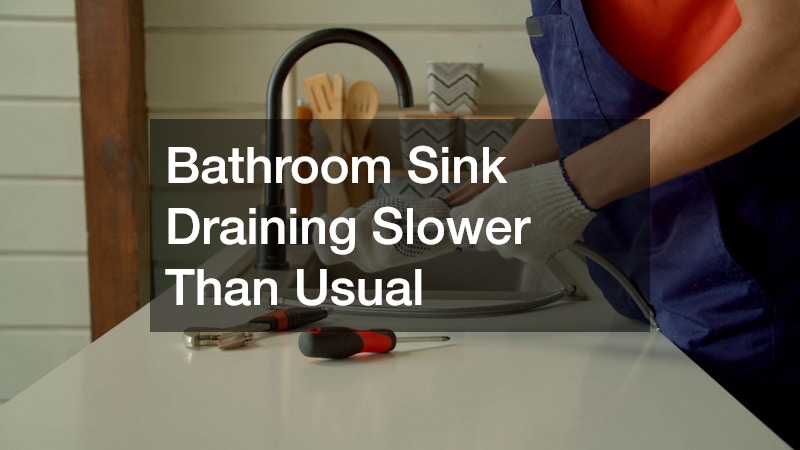
Bathroom Sink Draining Slower Than Usual
A bathroom sink that takes longer to empty than it used to is often the earliest sign of a developing clog. Hair, soap scum, and toothpaste residue build up gradually along the interior walls of the pipe, narrowing the passage over time. Most homeowners notice this change happening slowly, which makes it easy to dismiss until the drain nearly stops altogether.
If a plunger or a drain snake does not resolve the issue, it may be time to call in professional clogged drain repair rather than relying on chemical drain cleaners repeatedly. Harsh chemicals can corrode older pipes and only offer a temporary fix, masking a blockage that keeps returning. A trained eye can determine whether the clog is isolated to the sink trap or part of a larger buildup further down the line.
- Watch for water pooling around the drain opening before it slowly recedes
- Note any change in drainage speed after using hair products or shaving
- Try a manual snake before resorting to chemical cleaners
- Pay attention if the slowdown affects multiple fixtures at once
Kitchen Sink Backing Up After Dishwasher Cycles
When your kitchen sink bubbles or backs up right after the dishwasher runs, it usually means there is a shared drain line struggling to keep up with the extra flow. Grease, food particles, and starchy residues are notorious for coating pipe walls in kitchens, creating a bottleneck that only becomes obvious under pressure. This is a strong early indicator that routine drain cleaning could prevent a full blockage from forming.
Grease is particularly deceptive because it goes down as a liquid but solidifies as it cools inside the pipe. Over months, this creates a waxy buildup that traps other debris and dramatically slows flow. Running hot water after every greasy meal helps, but it is not a substitute for periodic professional maintenance.
- Avoid pouring cooking oil or bacon grease down the drain
- Use a sink strainer to catch food particles before they enter the pipe
- Notice if water rises in the sink specifically during dishwasher drain cycles
- Consider a baking soda and vinegar flush as a gentle interim solution

Gurgling Sounds Coming From Toilets or Floor Drains
A gurgling toilet or floor drain is one of the most telling signs of a venting or blockage problem somewhere in your plumbing system. That sound happens when trapped air is forced backward through standing water because it cannot escape normally through the vent stack. It often signals that a clog exists further down the line, possibly closer to the main sewer connection than a simple fixture drain.
This symptom deserves prompt attention because it frequently precedes a more serious backup. A licensed plumber can assess whether the noise is coming from a partial obstruction, a vent stack issue, or something more significant happening underground. Waiting too long after hearing consistent gurgling often turns a manageable repair into an urgent, messy situation.
- Listen for gurgling specifically when other fixtures are in use nearby
- Check if the sound happens only during heavy water use, like laundry or showers
- Treat repeated gurgling as a signal to schedule an inspection, not a one-time fluke
- Note any accompanying smells, which may indicate a deeper sewer issue
Multiple Drains Slowing Down at the Same Time
When more than one drain in the house starts acting sluggish around the same time, the problem is rarely isolated to a single fixture. This pattern usually points toward a blockage in the main line that services several bathrooms, the kitchen, or laundry connections. It is one of the clearest signs that the issue lies deeper in the system rather than in an individual trap or pipe.
At this stage, homeowners often benefit from calling a plumbing company that can evaluate the entire system rather than patch one fixture at a time. Technicians who specialize in whole-home diagnostics can trace the pattern of slowdowns back to its actual source. Addressing the root cause saves money compared to repeatedly treating each affected drain separately.
- Track which drains are affected and in what order they slowed down
- Note whether slowdowns coincide with heavy rain or increased water usage
- Avoid running multiple water-heavy appliances until the cause is identified
- Consider this pattern a priority over any single slow drain elsewhere in the home
Foul Odors Rising From Drains Throughout the House
A persistent sewage-like smell coming from drains is not just unpleasant, it is often a sign of trapped organic matter or a compromised seal somewhere in the system. Dry P-traps, cracked vent pipes, or decomposing debris can all produce odors that travel back up through the fixture. This smell tends to worsen in warmer weather when bacteria break down trapped material more quickly.
If running water through the fixture and checking the trap does not resolve the smell, the issue could be located further down the drain line. In these cases, drain jetting offers a thorough way to clear built-up residue and organic matter that snaking alone cannot fully remove. High-pressure water is directed through the pipe to scour the interior walls clean, addressing the odor at its actual source rather than temporarily masking it.
- Check for dry traps in rarely used sinks, tubs, or floor drains
- Pour a cup of water into unused drains every few weeks to maintain the seal
- Rule out a cracked vent stack if odors persist after cleaning
- Treat recurring sewage smells as a sign to seek deeper cleaning, not just air fresheners
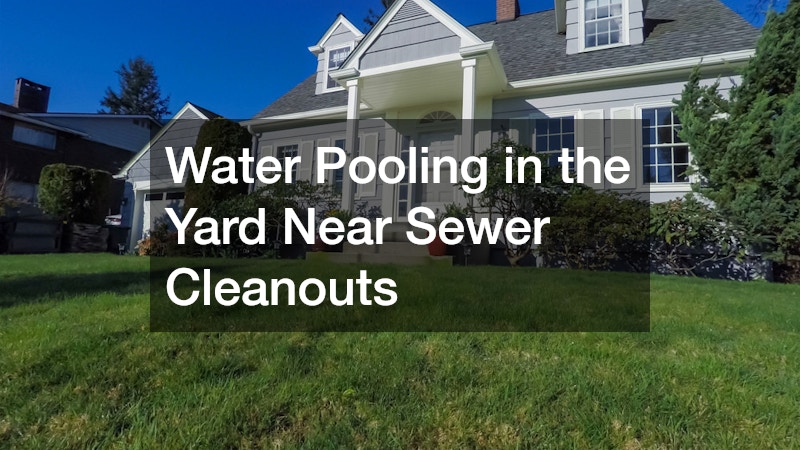
Water Pooling in the Yard Near Sewer Cleanouts
Soggy patches of grass, unexplained puddles, or unusually lush green spots in the yard can indicate a leaking or broken sewer line beneath the surface. These signs often appear near the sewer cleanout, the access point used to reach the main line. Left unaddressed, a damaged underground pipe can lead to foundation issues or contaminate the surrounding soil.
Because the problem is hidden underground, visual inspection alone rarely tells the full story. Sewer camera inspections allow a technician to send a waterproof camera directly into the line, revealing cracks, root intrusion, or collapsed sections without any guesswork. This technology has made diagnosing underground issues far more precise than the trial-and-error methods used in the past.
- Look for soggy or unusually green patches near the sewer cleanout
- Watch for sinkholes or soft spots forming gradually over time
- Note any sewage smell accompanying the wet areas
- Consider a sewer camera inspection before planning landscaping over the suspected area
Tree Roots Infiltrating Underground Sewer Lines
Tree roots are naturally drawn to the moisture and nutrients inside sewer pipes, and they can infiltrate even small cracks or joints over time. Once inside, roots grow rapidly, creating blockages that worsen with each passing season and eventually causing significant structural damage to the pipe. Homes with mature trees near the sewer line are especially vulnerable to this slow, often invisible process.
Root intrusion frequently shows up first as recurring slow drains or gurgling that never fully resolves, even after clearing individual fixtures. A dedicated sewer cleaning service can identify root intrusion early and remove it using specialized cutting tools designed to clear the pipe without damaging it further. Catching this issue early often means the difference between a routine cleaning and a full pipe replacement.
- Note the location of large trees relative to your sewer line path
- Watch for recurring blockages that return within weeks of clearing
- Consider a camera inspection if you suspect root growth near old clay pipes
- Ask about root barrier installation to prevent future intrusion
Old Pipe Materials That Increase Blockage Risk
The age and material of your home’s plumbing play a major role in how often you will deal with slow drains and blockages. Older homes with cast iron, galvanized steel, or clay pipes are far more prone to corrosion, scale buildup, and cracking than homes with modern PVC piping. Corrosion inside these older pipes creates rough interior surfaces where debris catches easily, accelerating the formation of clogs.
If you live in a home built several decades ago and have never had the drain lines professionally cleaned, scheduling a routine service is a reasonable precaution. Many drain line cleaning services now include a diagnostic component, giving homeowners a clear picture of pipe condition before problems escalate. Knowing your pipe material also helps you anticipate how urgently to respond to warning signs like slow drainage or gurgling.
- Ask a professional to identify your pipe material during any inspection
- Expect more frequent maintenance needs with cast iron or clay pipes
- Consider pipe relining or replacement if corrosion is extensive
- Keep records of any prior drain work for future reference

Choosing the Right Method to Clear a Stubborn Blockage
Not every clog calls for the same solution, and choosing the wrong method can waste time, money, or even damage your pipes. Understanding what’s actually causing the blockage—grease buildup, hair, tree roots, or a foreign object—matters more than reaching for whatever’s under the sink.
Not every clog responds to a plunger or a bottle of chemical cleaner, and that’s where more specialized methods come into play. For deeper or recurring blockages, water jetting has become one of the most reliable options available, using pressurized water—often in the range of 3,000 to 4,000 PSI—to blast away grease, scale, and debris along the entire interior wall of the pipe. Unlike chemical treatments, this method leaves no harmful residue and restores pipes closer to their original flow capacity, rather than just carving a narrow channel through the blockage.
The versatility of water jetting is part of what makes it so effective. It works on cast iron, PVC, and clay pipes alike, and it can clear everything from years of accumulated grease in a kitchen line to root intrusion in an older sewer lateral. Many professional drain cleaning services now offer this as a standard option for lines that have resisted simpler fixes like manual snaking.
Camera Inspections
That said, water jetting isn’t the right call for every situation. Pipes with existing cracks, loose joints, or significant corrosion can sometimes be damaged by high-pressure water, which is why a camera inspection often precedes the job. A reputable technician will assess pipe condition first, then match the pressure and nozzle type to the specific problem before recommending jetting over a gentler alternative.
- Match the clearing method to the clog type: a plunger or drain snake handles surface buildup, while deep or recurring blockages often need motorized augering or hydro jetting
- Avoid repeated chemical treatments on older or corroded pipes, since caustic cleaners can eat through weakened metal or aging PVC joints
- Ask whether pressurized water methods are safe for your specific pipe material — hydro jetting works well on modern PVC but can stress cast iron or clay pipes over 40 years old
- Consider a mechanical snake for minor clogs and reserve jetting for grease buildup or root intrusion, which snaking alone rarely clears
- Request a post-cleaning inspection, ideally with a camera scope, to confirm the blockage is fully cleared and no hidden cracks remain
- Get a written estimate that specifies the method used, so you can compare costs and avoid unnecessary repeat visits
Slow drains and gurgling pipes are rarely random occurrences, and each one carries information about what is happening inside your plumbing system. Paying attention to these early signs, rather than waiting for a full backup, puts you in control of the repair timeline and the cost involved. If you notice any of the patterns described above, reach out to a qualified professional to assess your system before a minor inconvenience turns into an expensive emergency. Taking action now protects both your home and your peace of mind.