
Owning a home comes with a long list of responsibilities, many of which go beyond routine cleaning and occasional repairs. A well-maintained property is more comfortable to live in, operates more efficiently, and often retains its value better over time. While it can be tempting to focus only on visible issues, many important maintenance tasks involve systems and structures that are easy to overlook until a problem develops.
Creating a home maintenance checklist can help homeowners stay organized and proactive. Instead of waiting for something to break, regular inspections and scheduled upkeep can identify concerns early and reduce the likelihood of unexpected expenses. Small actions taken throughout the year can often prevent larger issues that require extensive repairs or replacements.
A comprehensive maintenance plan should address both the interior and exterior of the property. Outdoor spaces require attention to remain attractive and functional, while indoor systems need routine care to continue operating effectively. From monitoring water systems and drainage to maintaining trees and landscaping, every area of the property plays a role in the home’s overall condition.
Seasonal changes can also affect different parts of a property in unique ways. Summer heat, winter freezes, heavy rainfall, and strong winds all place stress on structures and systems. Regular maintenance helps homeowners prepare for changing weather conditions and reduce wear and tear throughout the year.
Another benefit of staying on top of maintenance is the opportunity to improve safety. Addressing hazards such as unstable trees, blocked drainage systems, and malfunctioning equipment can help reduce risks for family members and visitors. In many cases, professional assistance can make maintenance tasks easier and more effective.
Whether you are a new homeowner or have owned your property for years, developing a consistent maintenance routine can make a significant difference. By understanding which areas require regular attention, homeowners can make informed decisions and prioritize projects that support the long-term health of their property. The following checklist highlights several important areas that deserve ongoing care throughout the year.
Keeping Your Yard Healthy and Well-Maintained
 A healthy yard contributes to the appearance, usability, and overall condition of a property. Grass, plants, shrubs, and other landscape features require regular attention to remain attractive and functional. Neglecting outdoor spaces can lead to overgrowth, pest issues, poor drainage, and declining curb appeal.
A professional landscape maintenance service can help homeowners stay ahead of common outdoor challenges. Regular mowing, trimming, fertilization, weed control, and seasonal cleanup are all important aspects of maintaining a healthy landscape. These tasks help support plant health while creating a neat and organized appearance.
Proper watering practices also play an important role in landscape care. Overwatering can damage plant roots and encourage disease, while insufficient watering may cause plants to struggle during dry periods. Monitoring soil conditions and adjusting irrigation schedules can help promote healthy growth.
Seasonal maintenance should also include inspecting flower beds, removing debris, and checking for signs of plant disease. Addressing issues early can prevent them from spreading throughout the landscape. Homeowners may also benefit from refreshing mulch, which helps retain moisture and suppress weed growth.
By incorporating regular yard care into a maintenance checklist, homeowners can support the long-term health of their outdoor spaces while enhancing the overall appearance of the property.
Addressing Water System Issues Before They Escalate
Water-related problems often begin as minor concerns but can quickly become costly if left unresolved. Leaks, dripping fixtures, low water pressure, and unusual sounds within the plumbing system may indicate underlying issues that require attention.
Working with a qualified plumber allows homeowners to identify and resolve problems before they cause significant damage. Routine inspections can uncover hidden leaks, deteriorating components, and other concerns that may not be immediately visible. Early intervention can help reduce water waste and protect structural elements within the home.
Homeowners should also monitor areas around sinks, toilets, water heaters, and appliances for signs of moisture. Water stains, mold growth, and musty odors may indicate leaks behind walls or beneath flooring. Addressing these issues promptly can help prevent more extensive repairs.
Seasonal changes can place additional stress on plumbing systems. Cold temperatures may increase the risk of frozen pipes, while aging components can become more susceptible to wear and tear. Scheduling routine evaluations can help identify vulnerabilities before they result in emergencies.
Consistent attention to water systems can contribute to greater efficiency, reduced repair costs, and improved peace of mind throughout the year.
Protecting Underground Lines From Buildup and Blockages
Many homeowners rarely think about underground pipes until a problem occurs. However, maintaining these lines is an important part of protecting a property’s plumbing system. Over time, grease, soap residue, debris, and other materials can accumulate inside pipes and restrict water flow.
Routine Sewer Cleaning helps remove buildup before it leads to significant blockages. By keeping lines clear, homeowners can reduce the risk of backups, slow drainage, and unpleasant odors. Preventive maintenance may also help extend the lifespan of plumbing infrastructure.
Several warning signs may indicate developing issues within sewer lines. Frequent drain clogs, gurgling sounds, sewage odors, and slow-draining fixtures should not be ignored. These symptoms may point to blockages or other problems that require professional attention.
Tree roots can also create challenges for underground pipes. As roots search for moisture, they may enter small cracks or joints within sewer lines. Over time, root growth can restrict flow and cause structural damage. Regular inspections and cleaning can help identify these concerns before they worsen.
Including sewer maintenance in a home care routine can help homeowners avoid disruptions and maintain reliable wastewater flow throughout the property.
Maintaining Indoor Comfort Throughout the Year
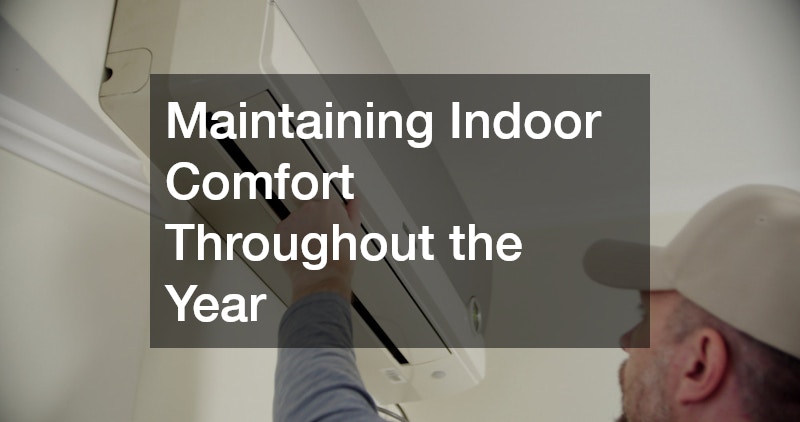
Indoor comfort depends heavily on the performance of a home’s climate control systems. Temperature regulation affects daily living, energy consumption, and overall satisfaction within the home. Regular maintenance helps support reliable operation during every season.
Heating and air conditioning systems should be inspected and serviced on a routine basis. Changing air filters, cleaning components, and checking system performance can improve airflow and efficiency. These simple steps may also help reduce strain on equipment and support consistent temperature control.
Homeowners should pay attention to signs that maintenance may be needed. Uneven temperatures, unusual noises, rising energy bills, and reduced airflow can indicate potential issues. Addressing concerns early can help prevent more significant problems and minimize disruptions.
In addition to equipment maintenance, homeowners can improve efficiency by sealing air leaks around doors and windows. Proper insulation and weatherproofing help reduce heat loss during winter and limit unwanted heat gain during summer. These improvements can contribute to a more comfortable indoor environment.
Routine care supports the performance of climate control systems while helping homeowners manage energy use and maintain year-round comfort.
Scheduling Routine Care for Essential Water Systems
Many household systems rely on a dependable supply of clean water. Regular maintenance helps these systems function properly and reduces the risk of unexpected failures. Waiting until problems develop can often lead to more extensive repairs and higher costs.
Professional plumbing services cover a wide range of maintenance needs throughout the home. Routine inspections can evaluate pipes, fixtures, water heaters, and other components for signs of wear or deterioration. Identifying concerns early allows homeowners to address issues before they escalate.
Water heaters deserve particular attention as part of a maintenance routine. Sediment buildup can affect performance and efficiency over time. Flushing the tank and inspecting components can help maintain reliable operation and extend equipment life.
Faucets, toilets, and supply lines should also be checked regularly for leaks or damage. Even small leaks can waste significant amounts of water and contribute to higher utility costs. Prompt repairs help conserve resources while protecting the home from moisture-related issues.
A proactive approach to maintenance can support the long-term reliability of essential water systems and help homeowners avoid unnecessary disruptions.
Recognizing Early Signs of Drainage Problems
Drainage issues often begin subtly before developing into larger plumbing concerns. Homeowners who recognize early warning signs can take action before extensive damage occurs. Paying attention to changes in how sinks, tubs, showers, and toilets function is an important part of routine home maintenance.
A clogged drain may start with water draining more slowly than usual. While it can be tempting to ignore this issue, slow drainage often indicates that debris is accumulating inside the pipe. Hair, soap residue, grease, food particles, and other materials can gradually restrict water flow and increase the likelihood of a complete blockage.
Unpleasant odors coming from drains may also signal developing problems. Organic material trapped within pipes can begin to decompose, creating foul smells that travel into living spaces. Gurgling sounds from drains or toilets may indicate trapped air caused by restricted water flow.
Homeowners can help reduce drainage problems by being mindful of what enters household drains. Avoiding the disposal of grease, coffee grounds, wipes, and other non-flushable materials can help protect plumbing systems. Drain strainers can also capture debris before it enters pipes.
Routine inspections and prompt attention to minor drainage concerns can help prevent backups, water damage, and expensive repairs. Including drain maintenance in a home care checklist supports the overall health of the plumbing system.
Promoting Healthy Growth and Preventing Hazards
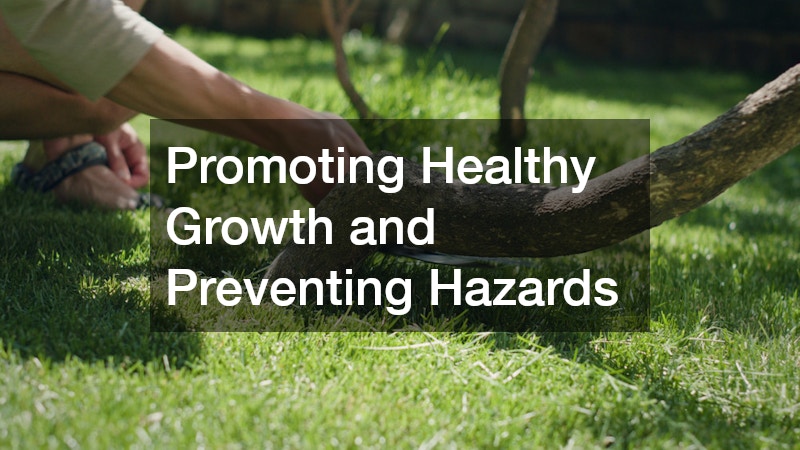
Trees contribute beauty, shade, and environmental benefits to residential properties, but they require regular maintenance to remain healthy and safe. Without proper care, branches can become overgrown, diseased, or damaged, creating potential hazards for people and structures.
Tree trimming is an important maintenance task that supports healthy growth and improves the appearance of trees. Removing dead, damaged, or overcrowded branches allows trees to allocate resources more efficiently while encouraging stronger development. Proper trimming can also improve sunlight exposure and air circulation throughout the canopy.
Overgrown branches may interfere with roofs, utility lines, fences, and other structures. During storms, weakened limbs are more likely to break and cause property damage. Routine maintenance helps reduce these risks while improving overall tree stability.
Seasonal inspections can help homeowners identify signs of disease, pest activity, or structural weakness. Early intervention often allows problems to be addressed before they spread or become more severe. Professional assessments can provide valuable guidance regarding the condition of individual trees.
By incorporating regular tree care into a maintenance plan, homeowners can support both the health of their landscape and the safety of their property.
Caring for Trees to Support Property Safety
While routine trimming is important, some situations require more comprehensive attention. Large trees, aging specimens, and storm-damaged trees may need specialized care to maintain safety and structural integrity.
A professional tree service can evaluate tree health, identify potential hazards, and recommend appropriate solutions. These services may include inspections, disease management, cabling, bracing, emergency response, and removal when necessary.
Trees that lean significantly, display large cracks, or have extensive dead branches should be assessed promptly. These conditions may indicate structural instability that increases the risk of failure. Addressing concerns early can help protect homes, vehicles, walkways, and nearby structures.
Storms can also create hidden damage that is not immediately visible. Branches weakened by wind, ice, or heavy rainfall may remain attached temporarily before failing unexpectedly. Post-storm inspections can help identify risks and determine whether corrective action is needed.
Regular professional evaluations support long-term tree health while helping homeowners maintain a safe outdoor environment. Proper care allows trees to continue providing aesthetic and environmental benefits for years to come.
Creating a Cleaner and More Comfortable Living Environment
A clean home contributes to comfort, organization, and overall well-being. While routine tidying is important, deeper cleaning tasks often require additional time and effort. Maintaining a consistent cleaning schedule can help create a healthier and more enjoyable living space.
Many homeowners turn to house cleaning companies to assist with recurring cleaning needs. Professional cleaning services can address areas that are frequently overlooked, including baseboards, ceiling fans, appliances, and hard-to-reach surfaces. Regular cleaning helps reduce dust, dirt, and allergens throughout the home.
Kitchens and bathrooms often require special attention due to moisture and frequent use. Keeping these areas clean can help reduce the risk of mold growth, unpleasant odors, and the accumulation of bacteria. Consistent cleaning also helps preserve surfaces and fixtures over time.
Living areas, bedrooms, and entryways benefit from routine vacuuming, dusting, and organization. These practices contribute to a more inviting environment while reducing clutter that can make maintenance more challenging.
Seasonal deep cleaning projects can complement routine upkeep. Tasks such as washing windows, cleaning carpets, and organizing storage spaces help maintain the overall condition of the home. A clean environment supports comfort and allows homeowners to better identify maintenance concerns before they become significant problems.
Preventing Waste System Backups and Failures
For properties that rely on septic systems, regular maintenance is essential for supporting reliable performance. Unlike homes connected to municipal sewer systems, septic systems require ongoing care to function properly.
Septic pumping is one of the most important maintenance tasks homeowners can schedule. Over time, solid waste accumulates inside the tank and must be removed to prevent excessive buildup. If solids are allowed to accumulate, they can interfere with system operation and increase the risk of backups, unpleasant odors, and costly repairs.
The frequency of septic pumping depends on factors such as household size, water usage, and tank capacity. Homeowners should also be mindful of what enters the system, avoiding excessive grease, harsh chemicals, and non-biodegradable materials that can affect performance. Combined with routine inspections and responsible water usage, septic pumping helps protect the longevity and reliability of a home’s wastewater system.